

As you navigate the world of gaming, understanding volatility becomes essential. The Le Pharaoh Volatility Guide helps you distinguish between high-risk and low-risk strategies. High-risk games offer significant rewards but come with unpredictable outcomes, while low-risk games provide lesser, steady wins. By matching your strategy with your risk tolerance, you can enhance your gaming experience. Curious in discovering how these insights can be effectively applied to boost your gaming decisions? https://lepharaoh.org/
Key Takeaways
- Gaming volatility influences payout frequency and size, impacting risk levels in games like «Le Pharaoh».
- High risk gambling involves major, unpredictable swings; attractive to thrill-seekers with strong bankrolls.
- Low risk gaming focuses on frequent, minor wins; encouraging steady engagement and patience.
- Examining payout patterns and volatility indices assists in strategic decision-making and risk management.
- Match strategies with personal risk tolerance using historical data and volatility insights to optimize gameplay.
Understanding Gaming Volatility
For gaming enthusiasts who seek to improve their strategies, understanding gaming volatility is vital. Gaming volatility relates to the frequency and magnitude of payouts.
High volatility games offer greater but infrequent rewards, attractive if you embrace risk for possibly substantial returns. In contrast, low volatility games yield lesser, but more frequent wins, suitable for maintaining a consistent gaming engagement.
Data suggest that knowing volatility enables you to match your gaming choices with personal risk tolerance, thereby encouraging strategic decision-making and flexibility in gameplay.
Examining game mechanics and payout structures will enable you to use your skills, refine tactics, and stay updated. Recognizing these patterns is key to changing your gaming experience, equilibrating thrill, and reducing unpredictability in your efforts.
Distinguishing High Risk and Low Risk Strategies
Examining gaming volatility gives a roadmap to distinguishing between high risk and low risk strategies.
High stakes strategies often entail games where variance is significant, signaling larger swings in potential outcomes. These are attractive if you crave excitement and substantial rewards, yet they demand a strong bankroll and tolerance for potential losses.
Low stakes strategies embody consistency, delivering a steadier, less volatile journey. Data shows that patience and calculated decisions are key to maximizing low stakes advantages, generating smaller but more frequent wins.
Your choice depends on risk appetite and gaming objectives. Seeking liberation through gaming? Understand that high risk satisfies the thrill-seeker, while low risk suits the planner.
Acknowledge volatility’s role, allowing you to steer through these strategies wisely.
Practical Examples of Volatility in Games
How can one observe volatility in the domain of gaming?
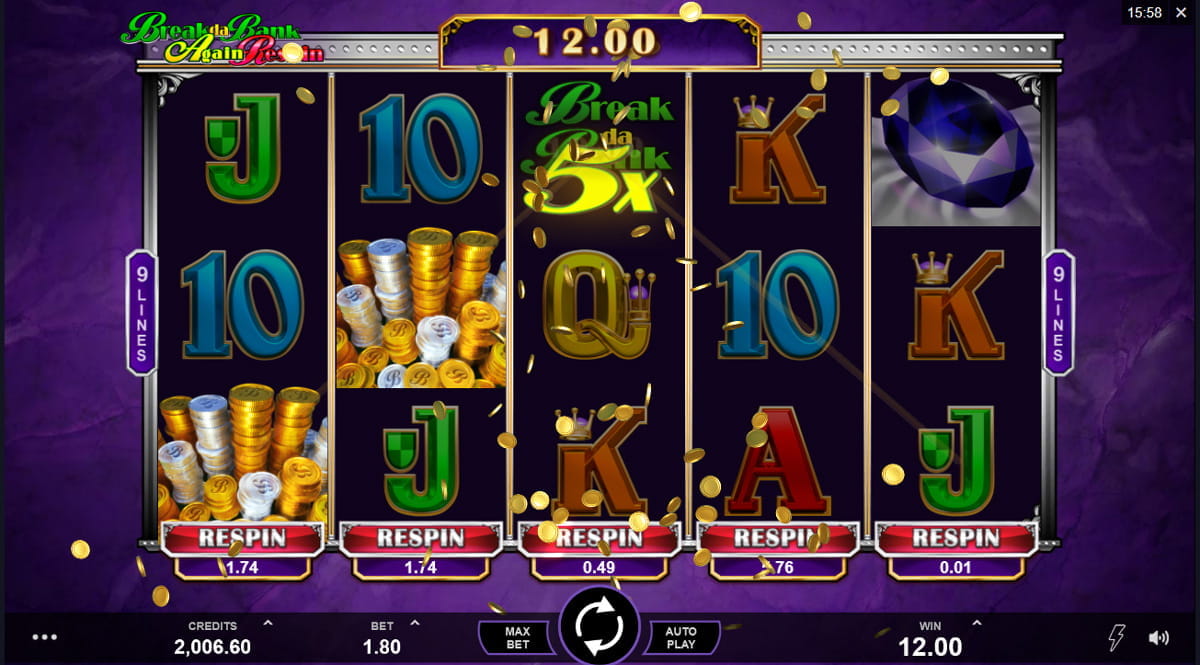
Commence with slot machine mechanics. Inspect how games with high volatility offer larger but less frequent payouts compared to low volatility slots, which offer smaller, consistent rewards. By monitoring payout history and variance, you detect volatile patterns, assisting in strategic betting.
Shifting to poker, volatility becomes apparent in poker strategy adjustments. Notice how variable opponents’ behaviors and fluctuating bankrolls demand shifts in tactics. Professional players often modify their betting size and hand selection based on perceived volatility, employing statistical tools to inform decisions.
Embracing fluctuations reveals opportunities for those seeking freedom through gaming, as informed choices enable you to adapt and thrive amidst the unpredictability inherent in these areas.
Expert Tips for Managing Gaming Risk
Understanding fluctuations in gaming prepares you to tackle the inevitable risks. Crucial to this preparation is the comprehension of gambling psychology, which affects your decisions.
Examine data patterns—analyze game odds, success rates, and volatility indices. Impartial evaluation reveals trends often overlooked.
Effective bankroll management strengthens your strategy; allocate a portion of your funds, limiting exposure to potential losses. This prudent approach enables you, allowing calculated risks without careless overstepping.
Modify your wagering to align with thorough research and historical success metrics, optimizing your gaming position.
Remember, knowledge frees you from impulsive behaviors, anchoring decisions in strategic perspectives.
Aligning Strategy With Personal Risk Tolerance
When matching your gaming strategy with personal risk tolerance, it’s crucial to contemplate objective metrics and personal comfort levels. Start by performing a thorough risk assessment, evaluating both in-game volatility and your financial threshold for fluctuations.
Use historical data, volatility indices, and probabilistic models to inform your strategy alignment. This analytical approach helps guarantee you’re not overextending yourself to unnecessary risks, freeing you to play confidently.
Customize your strategy for balance, including tactics that suit both conservative and bold aspects. Ponder on gaming outcomes periodically to adjust your strategy accordingly.
Ultimately, aligning strategy with your individual risk tolerance alters your gaming experience into a calculated venture rather than a gamble, allowing personal control rather than constraint.